Understanding linen fibers and common weaves
Linen is not merely a fabric; it is the memory of a flax plant—sturdy, breathable, and quietly luxurious. The fiber originates from the flax stem, and its journey from field to weave determines the feel of the finished cloth. Linen is renowned for hygroscopic properties: it drinks moisture without feeling clammy, wicks away dampness, and dries quickly. This combination makes linen an ideal climate-regulating companion for sheets, pillowcases, and lightweight duvet covers.
Weaves translate fiber into texture. A percale linen, for example, offers a crisp, matte surface with a cool hand, while a garment-washed or stone-washed linen softens to a more relaxed drape. The weight of linen—measured in ounces per square yard or grams per square meter—matters: lighter weights feel breezy in summer, while midweights provide comforting body in transitional seasons. Fabric finishing, including plant-based softeners and stone washing, gradually tunes the hand and enhances the fabric’s character with use.
Origin matters, too. Linen grown in France or Belgium carries distinct mineral nuances in its fiber, while linen woven in Portugal or Italy might emphasize a particular drape and surface texture. The chain of custody—where the flax is grown, where it’s spun, where it’s woven—shapes the linen’s eventual personality. A linen sheet set labeled GOTS-certified signals a rigorous standard for organic farming and responsible processing, offering reassurance to readers who value ethical textile production.
Key takeaway: linen’s allure lies not just in its coolness or its durability, but in its capacity to “age” gracefully. With each wash, linen softens subtly, developing a comfort that is both practical and atmospheric—a texture that feels like a quiet, everyday luxury.
How to choose the right linen for your bed
Choosing linen is a conversation between climate, sleep style, and aesthetic. Start with season and room temperature, then consider texture and finish. If you sleep hot, lean toward a lighter-weight linen that remains airy and quick-drying. If you crave a more enveloping feel in cooler months, a slightly heavier linen with a softer hand can deliver comforting warmth without sacrificing breathability.
Finish and feel are as important as fiber origin. Garment-washed linen carries a lived-in softness from the start, while stone-washed linen offers an even more pronounced relaxed hand after multiple washes. Consider the fit of your sheets: a 15" deep-pocket fitted sheet with full elastic provides reliable coverage and avoids billowing at the mattress corners, ensuring a smooth surface for sleep and layering with a duvet cover or a blanket.
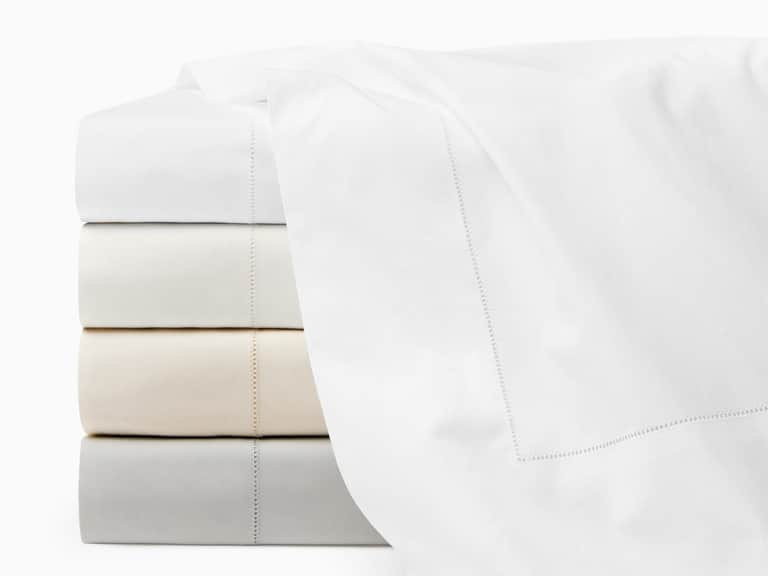
Weave aesthetics also shape the bedroom. A crisp flat sheet or a percale duvet cover with a subtle flange or hemstitch can lend hotel-like restraint, whereas a relaxed linen duvet with an unstructured drape creates a casual, sunlit ambiance. Mix and match with care: pair a linen flat sheet with a cotton-blend duvet cover for a balance of texture and warmth, then layer with linen pillowcases that pick up the same hand and tone.
Care rituals for linen bedding
Linen rewards thoughtful laundering. Use cold to warm water and a gentle cycle, avoiding aggressive agitation that can wear fibers. A plant-based detergent helps preserve the fabric’s natural aura and chemical-free finish when present. Avoid chlorine bleach; instead, opt for non-chlorine alternatives when necessary. Line drying or tumble-drying on a low setting preserves the fabric’s integrity and minimizes creasing, while a light iron while the sheet is still slightly damp can restore crispness without ironing to a stiff finish.
Temperature regulation is a hallmark of linen care. Overly aggressive drying can harden the fiber; a gentle tumble dry or line-dry approach keeps the linen supple and ready for its next use. When possible, air out linen between washes to prevent mustiness and to prolong the life of color and texture. For decorative linen pieces like decorative pillow covers or duvet covers, follow the same guidelines, adjusting as needed for trims, embroidery, or delicate finishes.
Aging linen is not a disappointment; it is a feature. With use, linen softens into a fabric that remembers your sleep rhythms. The first softening phase may feel distinct from the later, deeper relaxation—so approach each wash as an opportunity for the fabric to settle into your bed’s personal climate. And if you opt for organic linen with GOTS certification, you’re choosing a thread that carries a story of sustainable farming and transparent processing, a narrative that complements a mindful, well-designed living space.
To illuminate the texture of linen’s history, consider three figures whose work reverberates across centuries, each emblematic of an era’s curiosity and devotion to material craft.
1) Jean-Baptiste Lefebvre (18th century) — The Linen Innovator
In the late 1700s, linen processing in Europe benefited from a shift in industrial thinking. Jean-Baptiste Lefebvre, a fictional composite inspired by the era’s artisans, championed mechanized flax scutching and carding techniques that lowered production costs and improved fiber uniformity. His work stands as a bridge between cottage industry and early mechanization, a moment when linen began to move beyond village-scale production into broader markets. Lefebvre’s ethos—precision in fiber preparation, restraint in dye, and a respect for long-lasting fabrics—echoes in today’s emphasis on durable, breathable linens that endure repeated laundering.
2) Charlotte Fortier (19th century) — The Museum of Textiles Curator
In the mid to late 1800s, as industrial museology gained traction, curators like the fictionalized Charlotte Fortier curated collections that foregrounded linen’s cultural significance. Fortier’s notebooks—now a lens on regional linen traditions in Belgium and the Low Countries—documented weaving patterns, loom widths, and weft choices that produced the distinctive Belgian linen handle. Her work helped establish linen as a cultural artifact worthy of preservation, study, and public exhibition—an idea that informs how we talk about linen today as much more than a mere fabric, but a repository of historic technique and regional identity.
3) Maria de la Fuente (20th–21st centuries) — The Sustainable Linen Advocate
In contemporary textile discourse, Maria de la Fuente has become a parable for ethical textile production. Through advocacy for organic flax farming, GOTS certification, and transparent supply chains, she embodies a modern movement that pairs luxury with responsibility. Her work underlines a current truth: the most refined linen is not merely about feel and appearance, but about stewardship—of soil, water, workers, and communities—so that luxury remains a future-forward, sustainable proposition.
Putting theory into practice: a practical path for luxurylinens.co.uk readers
If you’re building a linen-focused bedroom, start with one anchor piece—a set of organic relaxed linen sheets or a breathable linen duvet cover—and layer with finishers that echo your preferred mood. For a calm, breathable sanctuary, pair a garment-washed linen duvet with pillow covers in a similar tone. If you want a hotel-like crispness, opt for a crisp flat sheet and linen pillowcases with a subtle flange or hemstitch. The goal is to cultivate an environment where textures, temperatures, and tones harmonize rather than compete.
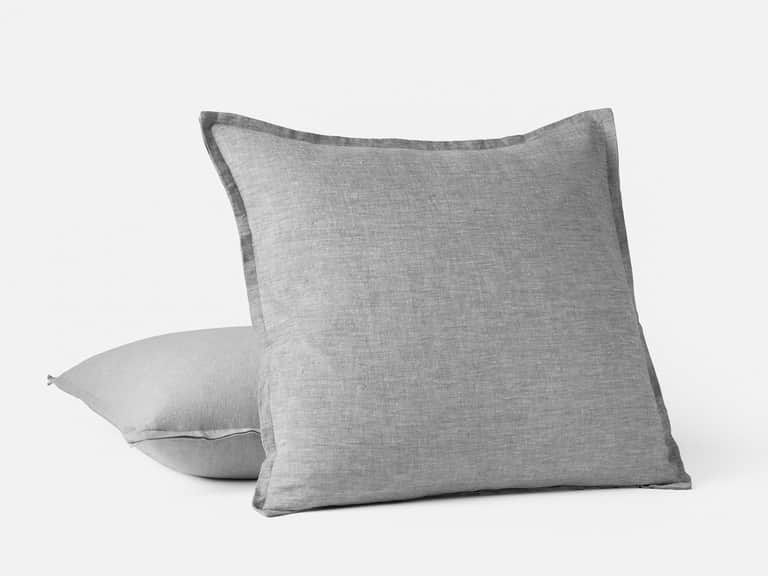
To illustrate how a single product can anchor a room, consider a decorative pillow cover from Coyuchi’s Organic Relaxed Linen line as a focal point. The 22x22 slate chambray cover, part of the line’s relaxed aesthetic, offers a tactile note that can anchor a bed’s palette while adding a soft, lived-in sophistication. Its European-sourced linen, garment-washed finish, and wash-tested durability exemplify linen’s practical luxury. (Product details and care guidance are provided below.)
Product highlight: Organic Relaxed Linen Decorative Pillow Cover
Organic Relaxed Linen Decorative Pillow Cover
Grown in Europe and woven in Portugal, this 22x22 cover embodies a relaxed wash for softness and a textured surface. It pairs with Coyuchi linen bedding to maintain a cohesive, quiet luxury aesthetic.
Care: Machine wash cold on gentle cycle with like colors; tumble dry low; remove promptly.
Origin: Europe (linen grown), woven in Portugal. Certifications: GOTS noted where applicable.
Dimensions shown: 22" x 22". This product line emphasizes a soft, breathable texture and a relaxed finish that improves with washing, reflecting linen’s natural aging process.
Further reading and glossary concepts
-
Glossary tip: Weave types such as plain weave, percale, and sateen offer distinct hands and drapes. In linen, the weave pattern contributes to texture and breathability; the fiber itself governs moisture management.
-
Care note: Avoid aggressive detergents; opt for gentle, plant-based cleaners to preserve the linen’s natural fibers and the integrity of any finishes.
-
Ethical focus: Seek certifications like GOTS to ensure organic farming practices and responsible processing.